Spainability rankings · Updated July 2026
Best places in Spain to escape the heat (mild-summer towns, 2026)
Where a heat-averse settler who wants the coast should look — ranked from AEMET climate data, not vibes.
Ranked among the 278 towns with an indexed Spainability page — 268 full published profiles plus 10 data profiles for the revealed-preference hubs foreigners actually move to — not all 8,132 municipalities.
The ranking
-
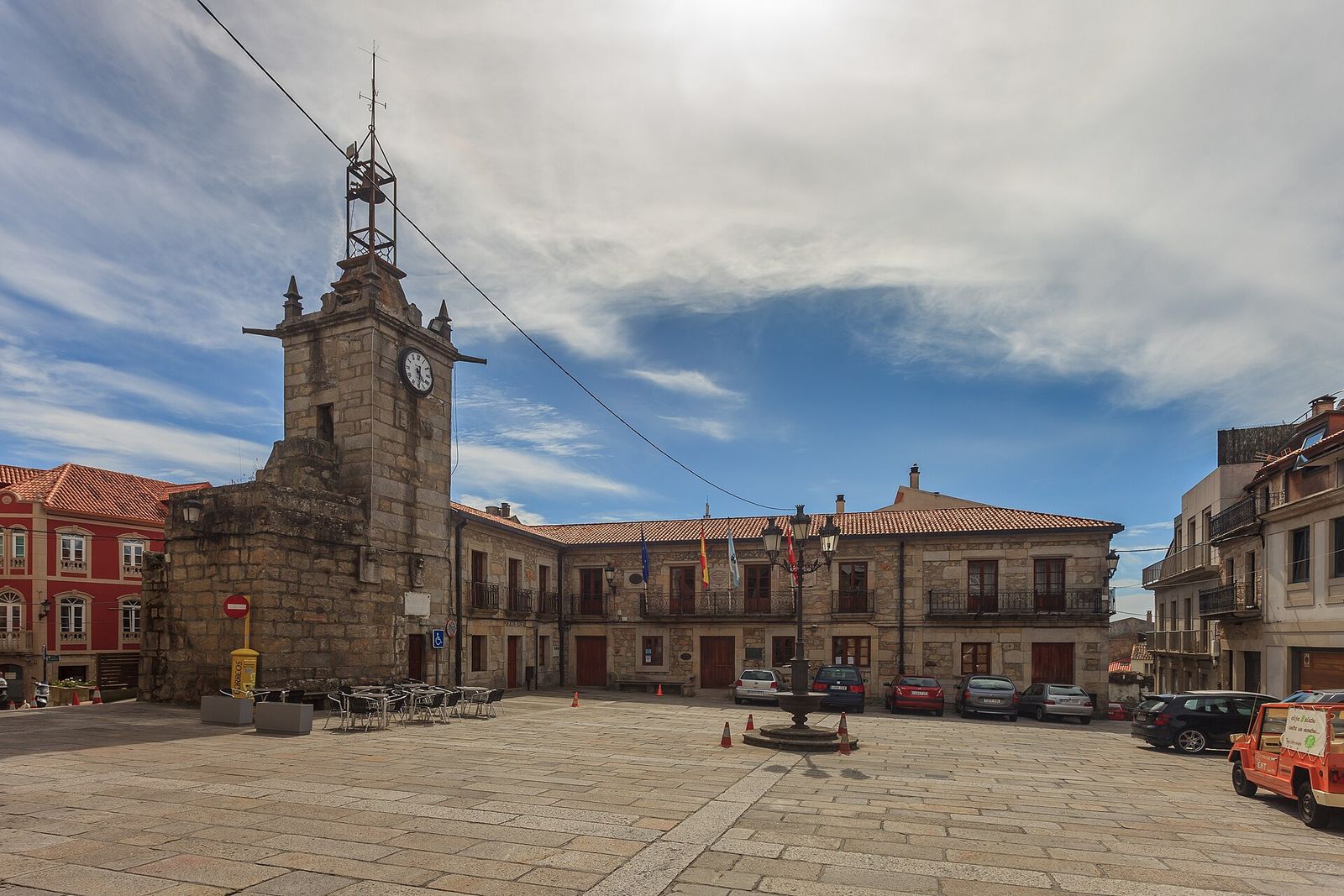
One of the characterful small towns along Galicia's dramatic, sparsely populated Rías Altas coast. A strong pick if you can't stand hot summers — 13 km from the sea and a settled international community.
Honest tradeoff: ranks low on other Europeans nearby.
-
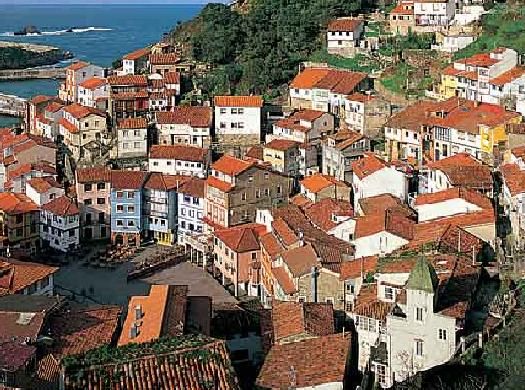
A delightful fishing village squeezed so tightly into a corkscrewing valley that none of its buildings face directly out to sea — giving it the feel of a Greek island village. A strong pick if you can't stand hot summers — 2 km from the sea and a settled international community.
Honest tradeoff: no local data on tax-friendly region.
-
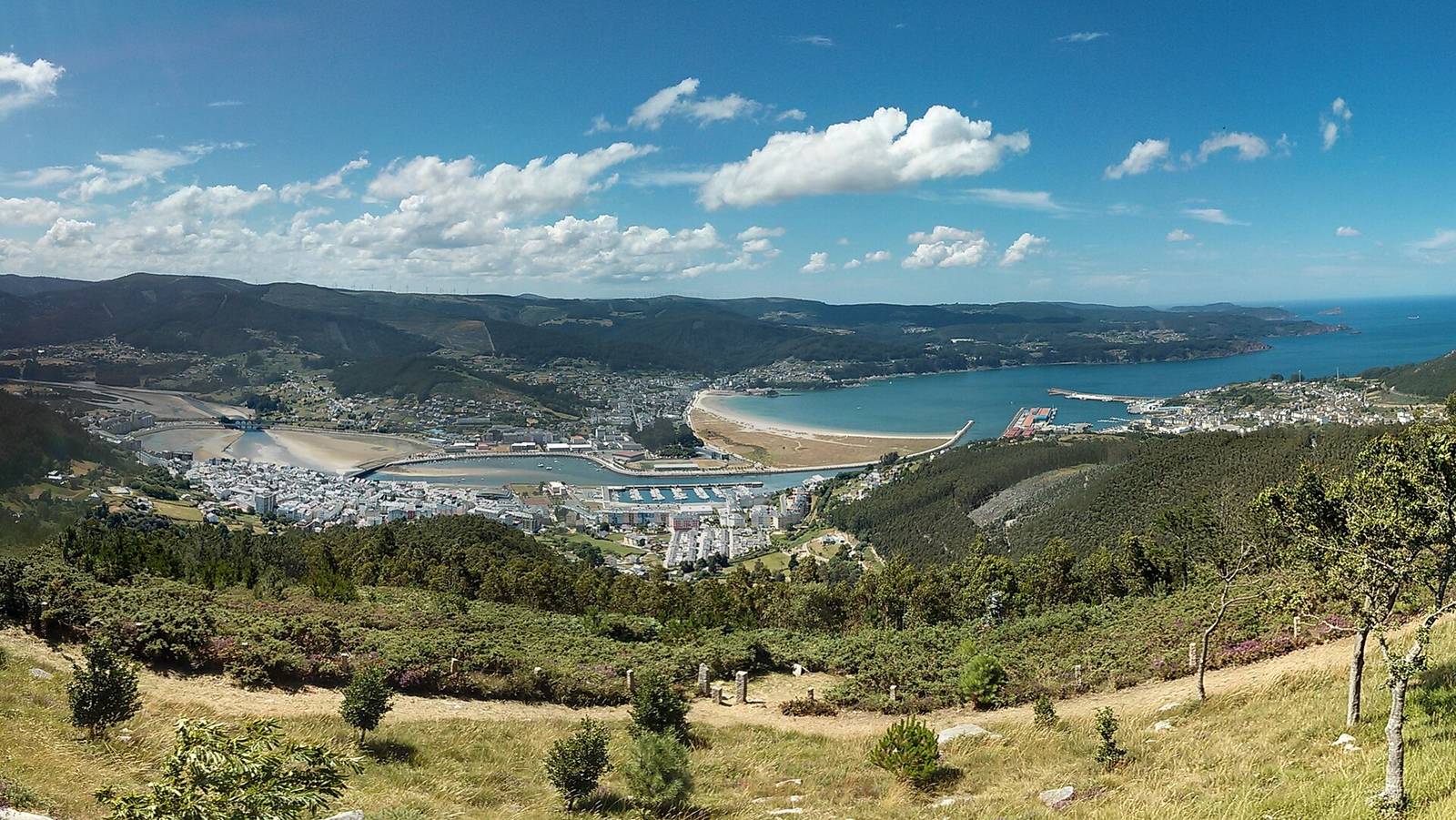
Now much more of a tourist centre than a port, its old town still protected by the vestiges of its Renaissance walls. A strong pick if you can't stand hot summers — 5 km from the sea and mild 22.1°C summer highs.
Honest tradeoff: ranks low on other Europeans nearby.
-
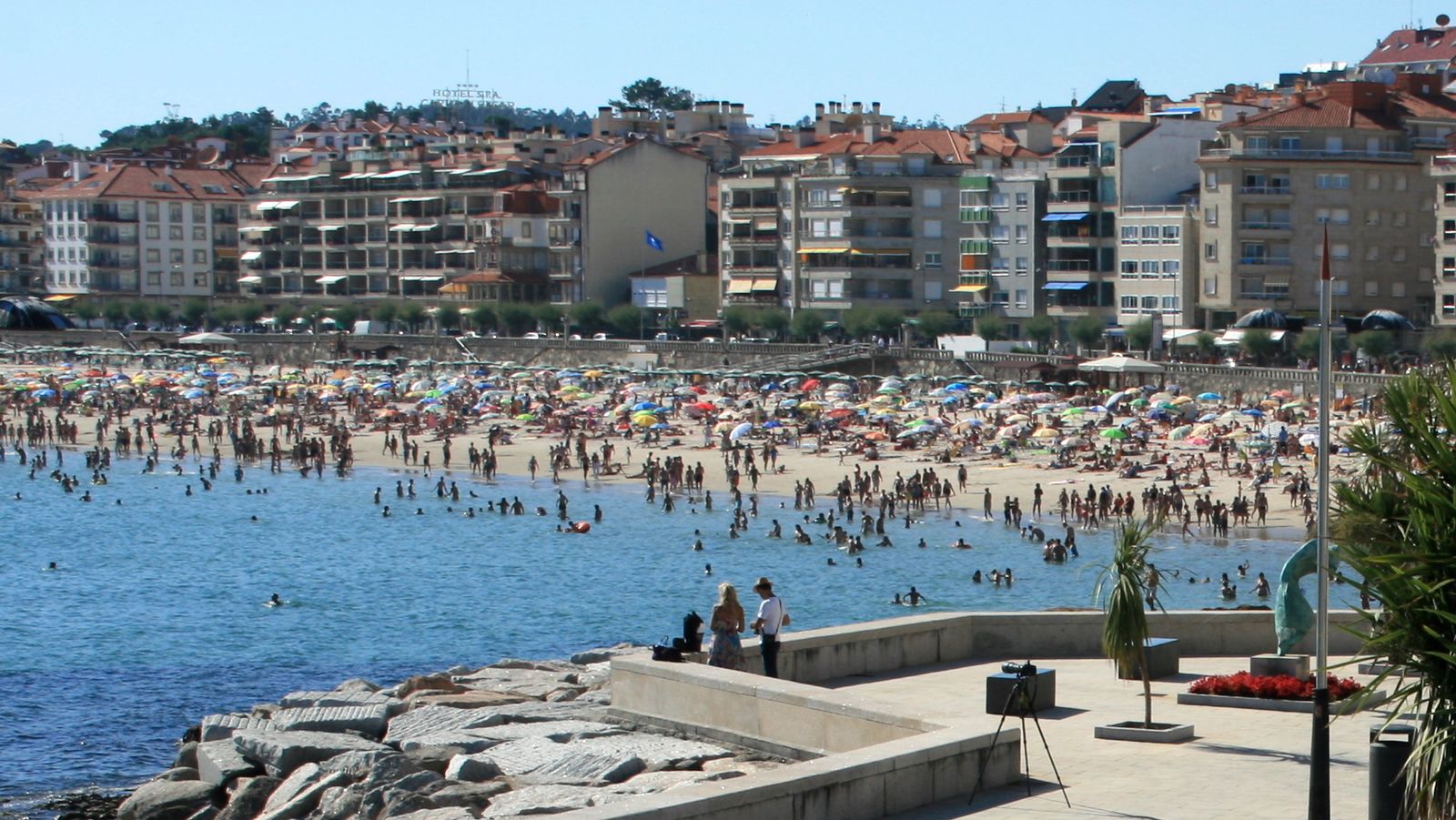
Galicia's flagship summer beach resort — a long string of small sandy beaches and seasonal hotels merging into Portonovo, lively and nightlife-driven in season, quiet the rest of the year. A strong pick if you can't stand hot summers — 1 km from the sea and a settled international community.
Honest tradeoff: ranks low on affordable cost of living (registered rent €/m²·mo).
-
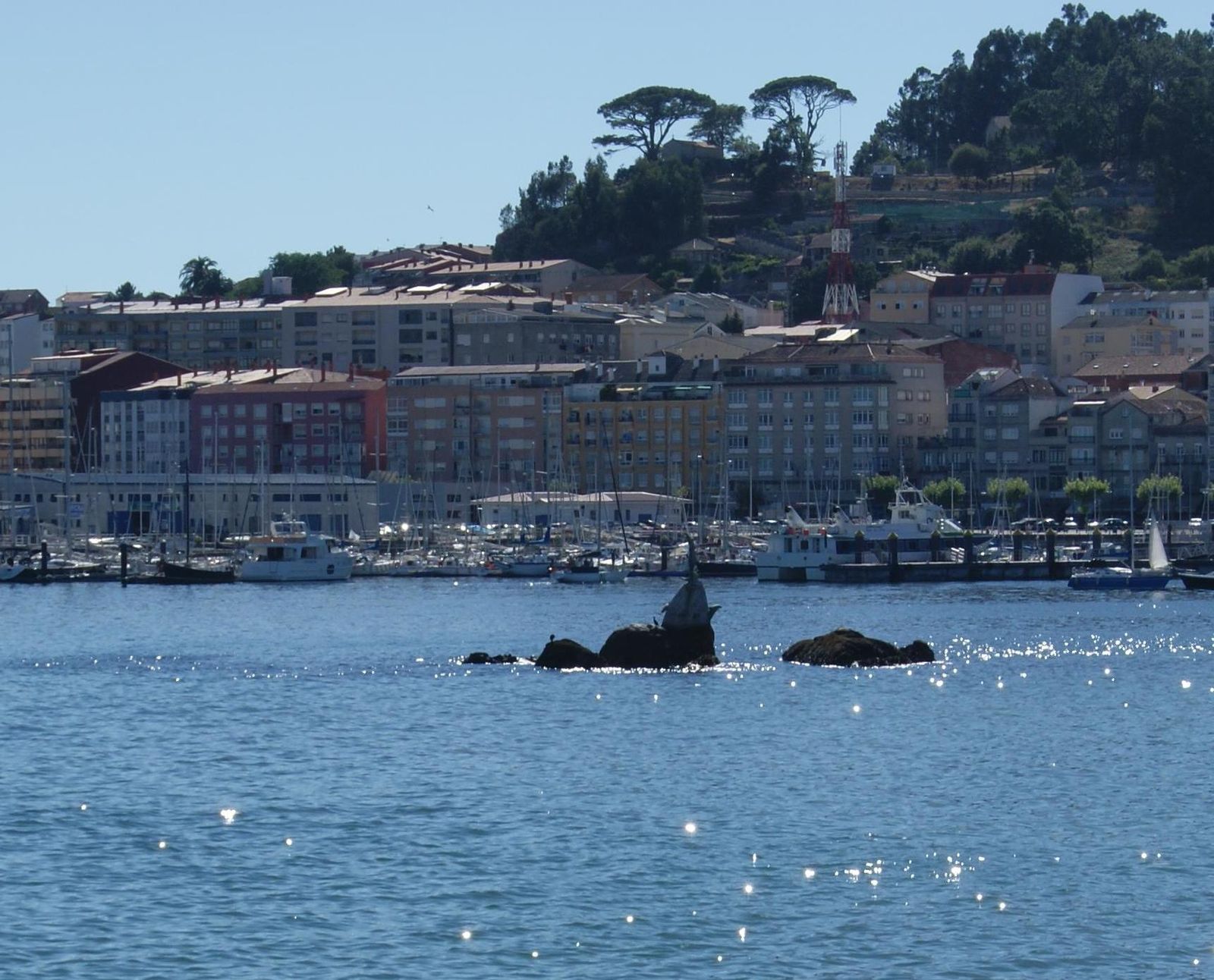
An ever-growing resort whose prime appeal is a superb twenty-minute ferry ride across the ría from Vigo. A strong pick if you can't stand hot summers — 3 km from the sea and a settled international community.
Honest tradeoff: ranks low on affordable cost of living (registered rent €/m²·mo).
-
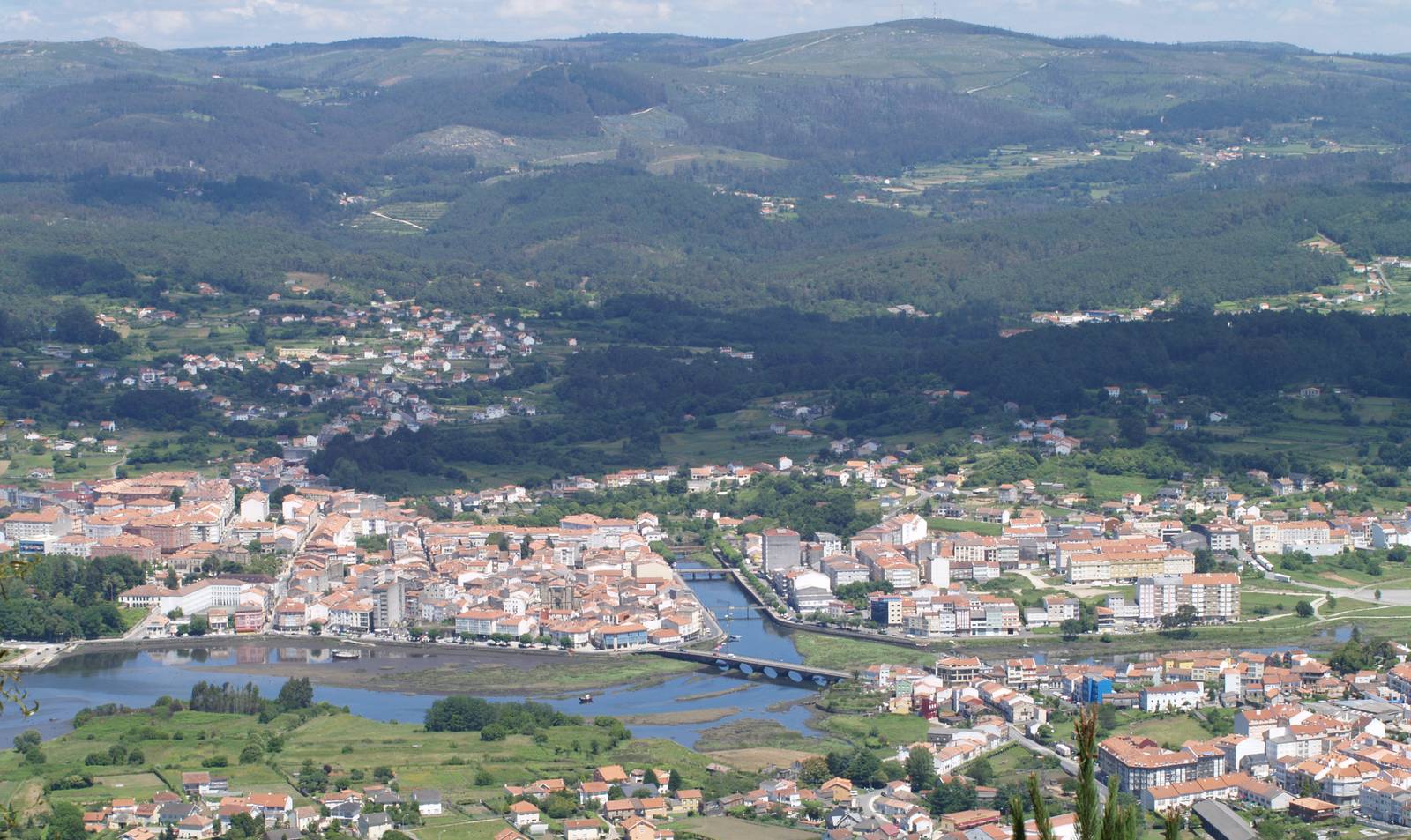
A onetime port of Santiago with a fanciful legend of naming after Noah, centred on a medieval core with an impressive church. A strong pick if you can't stand hot summers — 13 km from the sea and a settled international community.
Honest tradeoff: ranks low on low historical wildfire exposure.
-
A small harbour town behind a formidable sea wall, with a broad expanse of fine sandy beach offering the area's safest swimming. A strong pick if you can't stand hot summers — 9 km from the sea and mild 23°C summer highs.
Honest tradeoff: ranks low on low historical wildfire exposure.
-
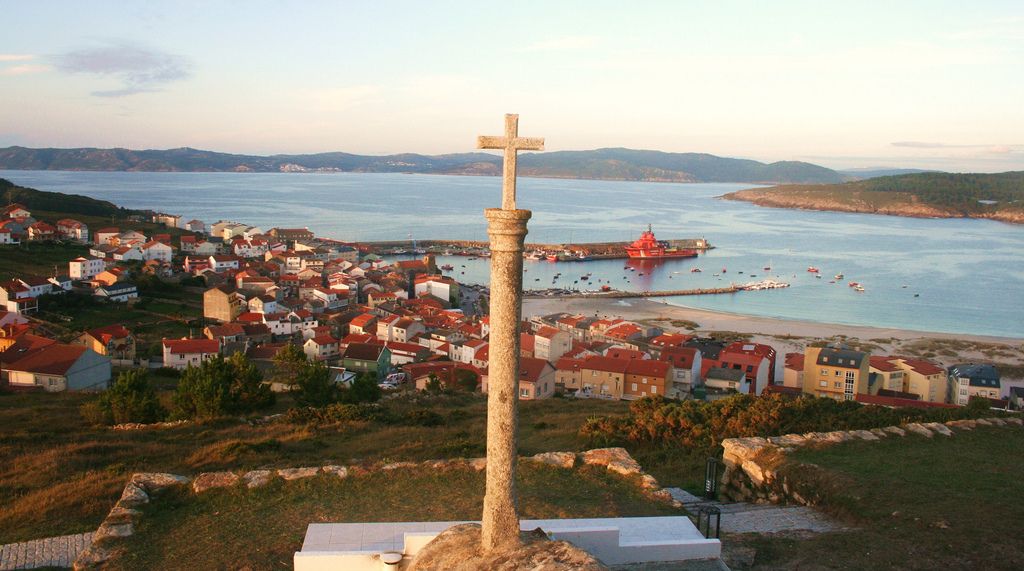
A workaday port largely rebuilt by emigrants returned from Puerto Rico, but also an ancient site home to remarkable prehistoric ruins. A strong pick if you can't stand hot summers — 2 km from the sea and a settled international community.
Honest tradeoff: ranks low on low historical wildfire exposure.

How we ranked this
We answered our own 17-question quiz as a couple who can't stand hot summers — they told the quiz they need mild summers, don't mind winter rain, and want to live on or near the coast. Then we ran every one of Spain's 8,132 municipalities through the same scoring engine the quiz uses, and kept the top-ranked towns with a full published Spainability profile.
- Data INE census (population, origins), AEMET climate normals, regional PISA scores, and the Health Ministry's SISLE waiting lists — each town compared against the Spanish average.
- Reproducible Feed the same persona into our engine and you get this exact order. No hand-picking, no affiliate deals.
- Data completeness A town is excluded from this ranking if it's missing data for any of its key factors (on/near the sea, affordable cost of living (registered rent €/m²·mo) and mild summers) — we don't let a data-sparse town float to the top on the factors it happens to have. 28 otherwise-eligible towns were excluded here for missing that data.
- Spainability Score Each town's Heat-averse Spainability Score is its percentile among the 2,555 municipalities we could score for this profile — a score of 88 means it fits better than 88% of them. It's the same per-persona percentile shown on that town's own page. How Spainability works →
- What we don't score We don't score humidity, sea-breeze microclimate, or how a specific street feels in a heatwave — only the July–August average high, annual rainfall and regional summer water-stress.
Compare the top 8
| # | Town | Summer high | Winter avg | Rainy days/yr | Summer water stress | Registered rent |
|---|---|---|---|---|---|---|
| 1 | Pontedeume | 23.6°C | 10.4°C | 127 | 7 | €4.24/m²·mo |
| 2 | Cudillero | 22.2°C | 10.3°C | 128 | 6 | €4.49/m²·mo |
| 3 | Viveiro | 22.1°C | 11°C | 137 | 7 | €4.17/m²·mo |
| 4 | Sanxenxo | 25.8°C | 10.5°C | 130 | 7 | €5.68/m²·mo |
| 5 | Cangas | 25.1°C | 9.9°C | 126 | 7 | €5.63/m²·mo |
| 6 | Noia | 20.4°C | 7.3°C | 138 | 7 | €3.81/m²·mo |
| 7 | Laxe | 23°C | 9°C | 157 | 7 | €3.14/m²·mo |
| 8 | Guarda, A | 26.8°C | 10.8°C | 123 | 1 | €4.43/m²·mo |
Values from the Spainability dataset (INE / AEMET / regional sources). "no data" = we don't have that number for this town and never guess it.
Questions
Where in Spain has the mildest summers?
Spain's coolest summers are on the Atlantic north coast — Galicia, Asturias, Cantabria and the Basque Country — where July–August highs typically sit in the mid-20s°C rather than the mid-30s of the interior and Mediterranean south. Our engine ranks the specific towns from AEMET climate normals.
Is it worth trading heat for rain in Spain?
That's the honest tradeoff. The mild-summer regions are also Spain's rainiest — Galicia sees ~130 rainy days a year versus ~25 on the Almería coast. We show both numbers for every town so you can decide, rather than hiding the rain.
This is a generic heat-averse coastal couple
Get your ranking, not this one →
This list scores one representative persona. Answer a dozen honest questions and we score all 8,132 municipalities against your priorities — climate, cost, healthcare, community, getting home — with the tradeoffs shown as plainly as the wins.
Take the 3-minute quiz →Last updated: July 2026 · Next update: on INE's next census release (expected 2027).
Re-generated from the Spainability dataset on each data release — the ranking is reproducible, not editorial.